A multi-agent coding fleet with shared memory
One agent learns it. Every agent knows it.
Without memory
You run Claude Code in one terminal, Cursor in the editor, and a background agent on CI — and each one rediscovers your codebase from scratch. One agent works out that the integration tests need a dedicated database port; an hour later a different agent burns twenty minutes hitting the same wall.
With Rekall
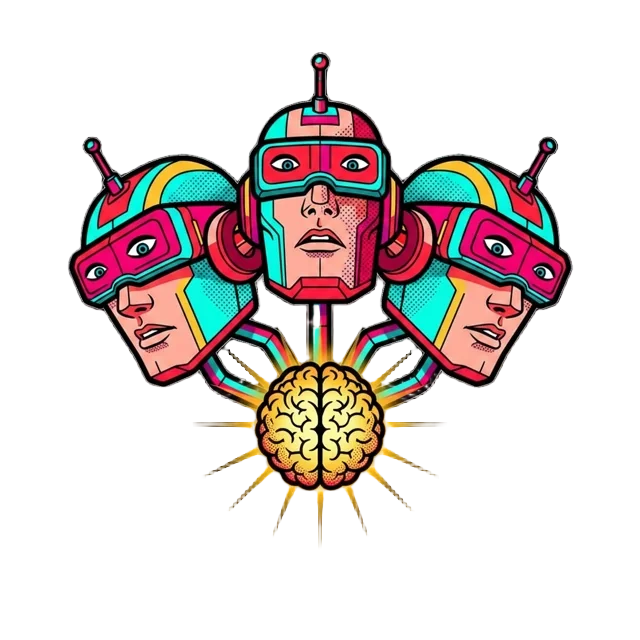
Every agent reads and writes the same graph-backed memory. Lessons learned by one agent are recalled by all of them, and the agent-constellation graph tracks which agent knows what.
How it works
Point every agent at Rekall
The MCP server is the universal rail — Claude Code, Cursor, OpenCode, and any MCP-capable agent share one brain.
Hooks capture as they work
Ambient observation capture means agents don’t have to be taught to remember — fixes, gotchas, and conventions land in memory automatically.
The graph connects the dots
Entities and relationships go into a real knowledge graph (Neo4j), and recall fans out across it alongside vector, episodic and procedural memory — five stores, one fused answer to “what do we know about the payments service?”
The constellation tracks expertise
Rekall models which agent has expertise where, so work can route to the agent that already has the context.
See it in action
# Claude Codeclaude mcp add rekall# Cursor / Windsurf / Zed / Cline — same MCP server, same brainnpm install -g @rekall/mcp-server# Agent A learns: "integration tests need the dedicated# Neo4j on port 7690" → Agent B recalls it at session start
Related use cases
Skill codification — workflows that teach themselves
Work out a tricky procedure once. Rekall turns it into a skill your whole team runs.
Durable agent runs — checkpoint, resume, audit
A crashed agent resumes from its last checkpoint, not from scratch.
Agent-to-agent collaboration over A2A
Your LangGraph pipeline delegates to your CrewAI crew — over an open protocol.